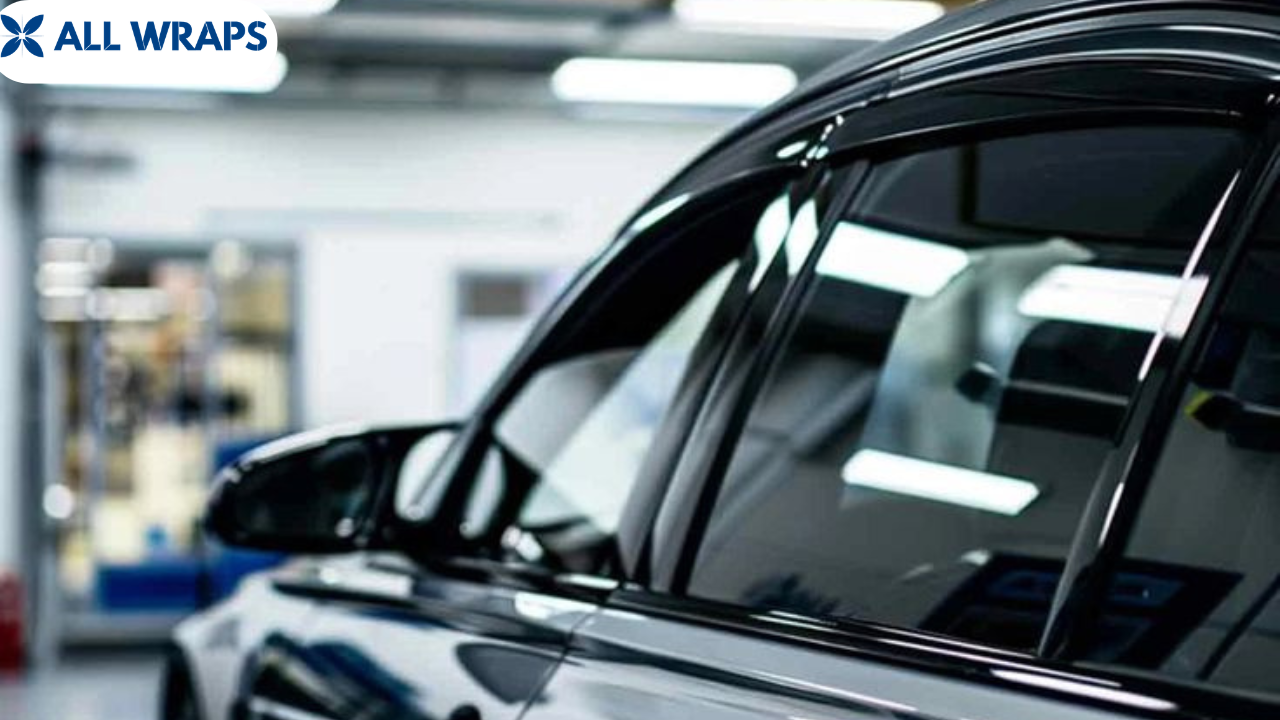
Window tinting is one of the best upgrades for improving vehicle privacy, comfort, and style. However, poor installation or improper maintenance can lead to annoying problems like bubbling, peeling, and discoloration.
Tint bubbling not only looks bad but also reduces the effectiveness of UV protection and heat rejection. Understanding common installation mistakes can help you protect your investment and maintain a clean, professional look for your car.
Let’s explore the most common window tint mistakes and how to avoid them.
Why Window Tint Bubbling and Peeling Happens
Window tint bubbling usually occurs due to trapped air, moisture, or poor-quality materials. Peeling often happens when adhesive bonding fails.
Main Causes Include:
- Poor surface cleaning before installation
- Low-quality tint materials
- Incorrect installation tools
- Dust particles trapped under film
- Exposure to extreme heat before curing
Proper installation and aftercare are essential for long-lasting results.
Common Window Tint Installation Mistakes
1. Skipping Proper Glass Cleaning
This is one of the biggest installation errors.
If glass surfaces contain:
- Dust
- Grease
- Old adhesive residue
The tint film cannot bond properly, leading to bubbles and peeling edges.
2. Installing Tint on Dirty or Wet Surfaces
While professional installers use controlled moisture application, excessive water can cause problems.
Too much moisture can:
- Trap water pockets
- Create uneven adhesion
- Delay curing time
3. Using Low-Quality Tint Film
Cheap tint materials often lack durability.
| Tint Quality | Durability | Appearance | Heat Protection |
|---|---|---|---|
| Premium Ceramic Tint | High | Excellent clarity | Excellent |
| Standard Dyed Tint | Medium | Good | Moderate |
| Cheap Tint Film | Low | Often cloudy | Poor |
Investing in high-quality film reduces future repair costs.
4. Improper Edge Cutting
Poorly cut tint edges can cause:
- Peeling corners
- Visible gaps
- Uneven coverage
Professional tools ensure precise cutting and smooth finishing.
5. Ignoring Proper Curing Time
Tint film needs time to dry and bond.
During curing:
- Avoid rolling windows down
- Avoid washing car windows
- Avoid touching film edges
Curing can take:
- 3–7 days in warm weather
- Up to 2 weeks in humid conditions
How Weather Conditions Affect Tint Installation
| Weather Condition | Installation Risk | Result |
|---|---|---|
| High Heat | Adhesive dries too fast | Air bubbles |
| High Humidity | Moisture trapped | Blistering |
| Cold Weather | Slow bonding | Peeling edges |
Professional installers control environmental conditions for best results.
Signs of Poor Window Tint Installation
Watch for these warning signs:
- Small bubbles appearing after installation
- Tint film lifting at edges
- Purple or faded color appearance
- Uneven dark patches
Addressing problems early can prevent full tint replacement.
How to Prevent Tint Bubbling and Peeling
Follow These Maintenance Tips
| Maintenance Task | Frequency | Benefit |
|---|---|---|
| Clean windows using microfiber cloth | Weekly | Prevents scratches |
| Use ammonia-free cleaners | Always | Protects adhesive |
| Park in shaded areas | Daily | Reduces heat damage |
| Inspect edges for peeling | Monthly | Prevents spreading damage |
| Avoid pressure washing windows | Always | Protects tint layer |
Choosing the Right Window Tint Installer
Look for professionals who offer:
- High-quality tint brands
- Warranty coverage
- Experienced installation technicians
- Dust-free installation environments
Professional installation reduces future maintenance problems.
Why Quality Tint Installation Saves Money
Although professional tint installation may cost more upfront, it saves money long term by:
- Reducing replacement frequency
- Improving UV protection
- Increasing vehicle interior lifespan
- Maintaining resale value
Cheap installation often leads to costly repairs later.
Benefits of Professional Window Tinting
Professional installation provides:
- Better heat rejection
- Improved privacy
- Enhanced vehicle aesthetics
- Reduced glare while driving
- Increased interior comfort
Quality work ensures a smooth, factory-like finish.
When Should You Replace Your Window Tint?
Consider replacing tint if:
- Bubbles cannot be removed
- Tint color turns purple or brown
- Film begins peeling from edges
- Visibility becomes distorted
Old or damaged tint loses effectiveness and appearance.
Final Thoughts: Keep Your Tint Looking Brand New
Avoiding common window tint installation mistakes can save you time, money, and frustration. Proper preparation, high-quality materials, and professional installation are key to achieving a smooth, bubble-free finish.
If you want long-lasting, high-quality Window Tinting services, trust All Wraps for professional installation and premium-grade materials. Their expert technicians ensure precise application, superior heat protection, and flawless finish quality that keeps your vehicle looking clean and stylish for years.